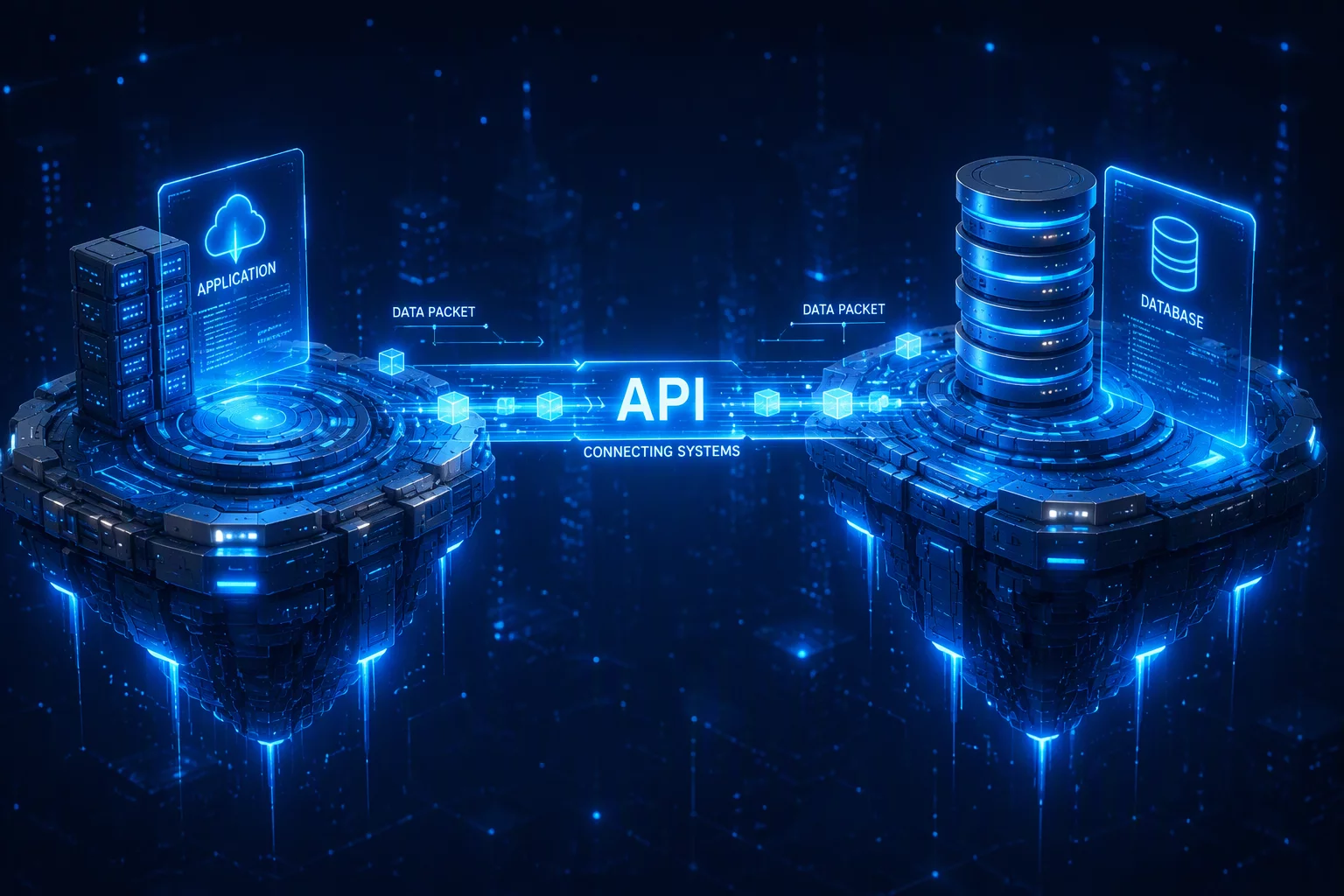
External services introduce unpredictable data models, unstable uptime characteristics, and breaking schema variations into an enterprise ecosystem. When a high-volume payment and logistical third-party API was initially connected to the central order processing pipeline, internal services parsed external JSON payloads directly without intermediate abstraction. Over twelve months, minor vendor schema shifts triggered sixteen unhandled production outages, highlighting an urgent need for disciplined boundary enforcement.
Our engineering engagement focused on drawing an inviolable perimeter between the core transactional domain and the external API surface. By formalizing every inbound and outbound data contract, the engineering team insulated core services against upstream vendor modifications while preserving real-time synchronization integrity across multiple geographical regions.
Uncover latent coupling, ambiguous payloads, and vendor model leakages before they compromise your internal core services.
External data shapes must never cross into the core project domain unchanged. Deploy an Anti-Corruption Layer (ACL) at the network perimeter to transform vendor structures into domain-pure entities.
The restructuring began by cataloging all external payloads and mapping them against internal bounded contexts. Every field exchanged with the third-party endpoint was assigned explicit data types, validation constraints, and serialization schemas. An asynchronous gateway was established to intercept incoming webhooks and outgoing REST queries, translating external status codes into standardized enterprise domain events.
Rate limits, network timeouts, and partial vendor downtime must yield predictable circuit-breaker states without destabilizing internal database workers or user sessions.
Through rigorous boundary definition, breaking changes from future vendor API iterations were restricted to the translation adapters. Downstream services now consume reliable internal domain contracts, completely isolated from third-party deprecation schedules and transport protocol modifications.
Elena Rodriguez is a Principal Systems Architect specializing in distributed integration topologies, edge boundary design, and enterprise domain modeling.
Discuss your system boundary requirements with a lead architect.